
04 DAYS Tour
M3 Itineraries
Day 01
Arrive Paro
Transfer to Thimphu Valley (1hr/54kms)
Attractions
01: Mountain Views
- Mouth Everest
- Kanchenjunga and Makalu
- Jhomolhari
- Jichu Drake
- Tserimgang
02: Places and Temples
- Ta Dzong
- National Museum
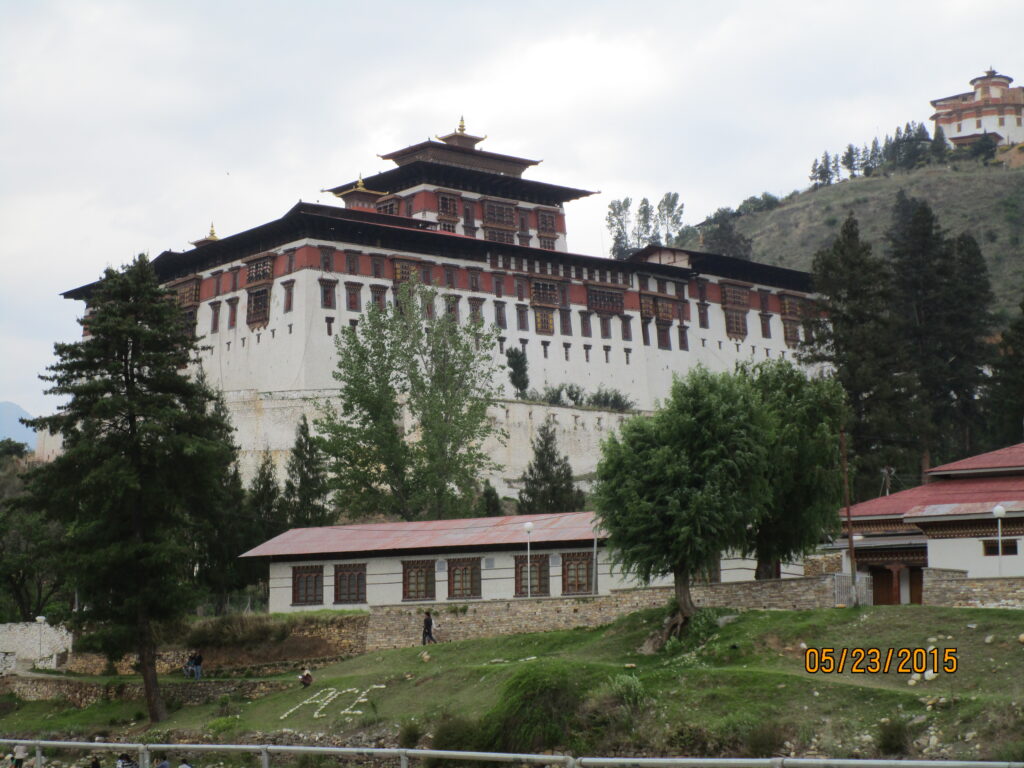
- Rinpung Dzong
- Kyichu Lhakhang
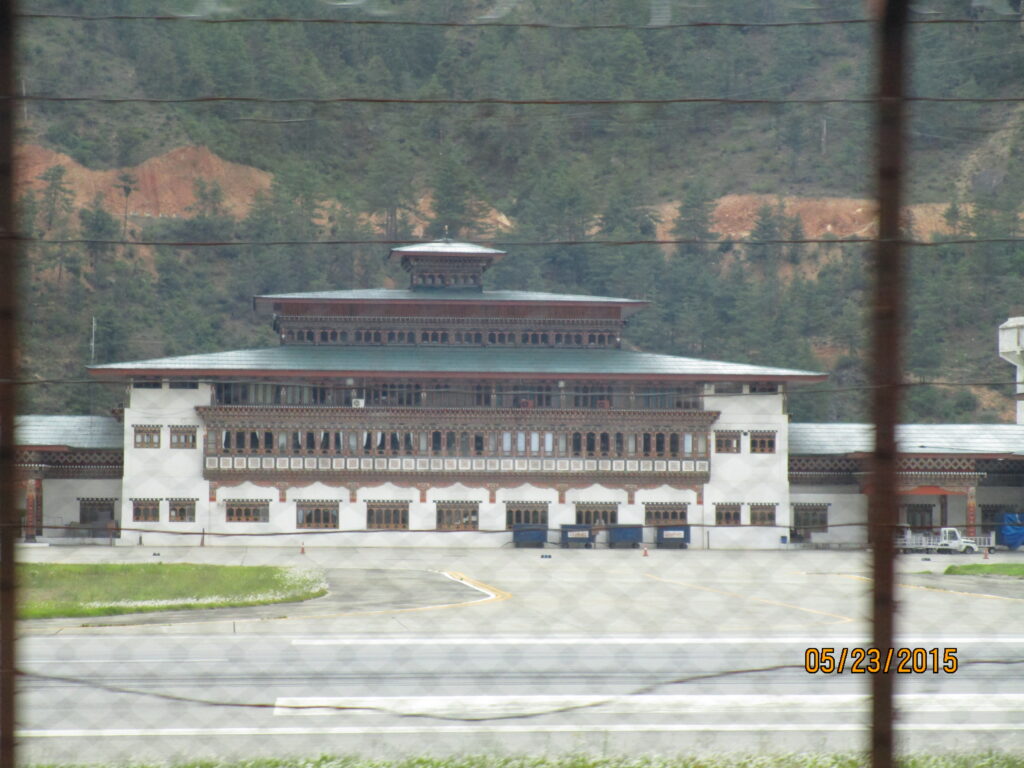
On a clear day, the flight to Paro is breathtaking, with views of major Himalayan peaks such as Everest, Kanchenjunga and Makalu, and on the final approach Bhutan’s own snowy peaks, the sacred Jhomolhari, Jichu Drake and Tserimgang. On arrival at Paro airport and after completion of airport formalities, you will be met by your M3 representative. Drive from Paro to Thimphu, the modern capital town of Bhutan and an exciting blend of tradition and modernity.
On arrival, drive towards the north end of the valley to view the Ta Dzong, formerly a watchtower and now the National MuseumThe museum collection includes ancient Bhutanese art and artifacts, weapons, coins, stamps and a small natural history collection.
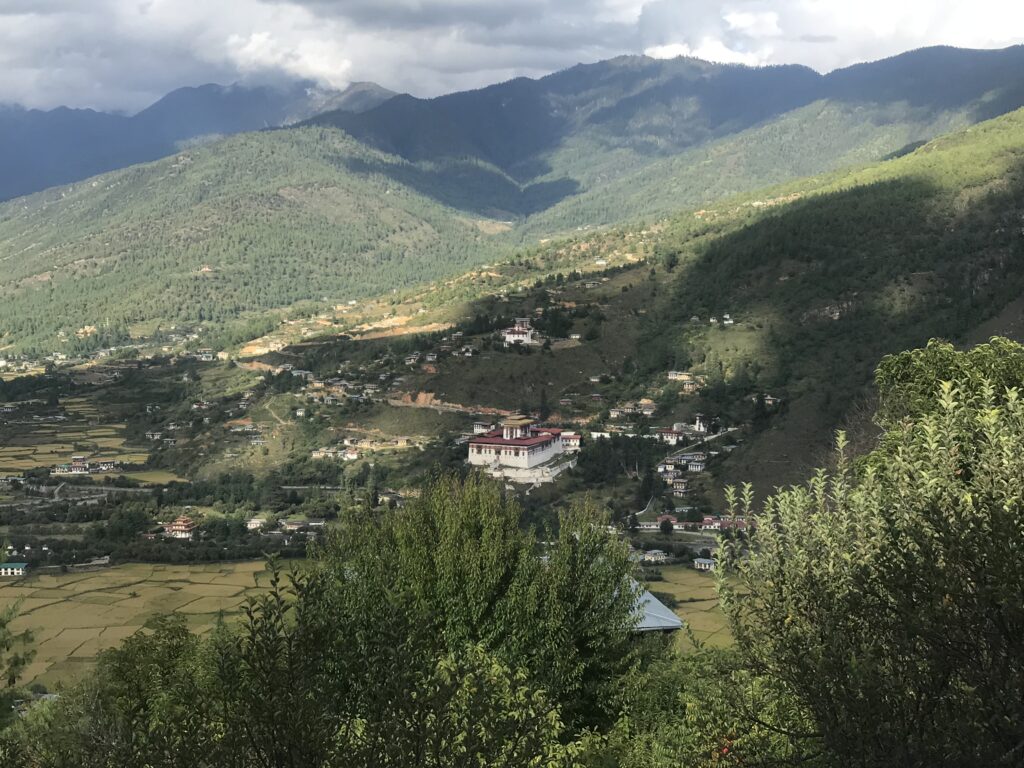
Then walk down a hillside trail to visit Rinpung Dzong (Paro Dzong) situated at a commanding height overlooking Paro valley. Built by Shabdrung Ngawang Namgyal in 1646, this Dzong now houses Paro’s monk body and the offices of the civil administration and is symbolic as the religious and secular center of all affairs of the valley.
Lunch at local restaurant in Paro,
Visit the 7th century Kyichu Lhakhang, one of the 108 temples built in the Himalayas by the Tibetan king, Songtsen Gampo. The building of this temple marks the introduction of Buddhism in Bhutan
Later Drive to Thimphu
Day 02
Thimphu Valley Exploration
4/5hr hike up/down
Attractions
01: Places and Temples
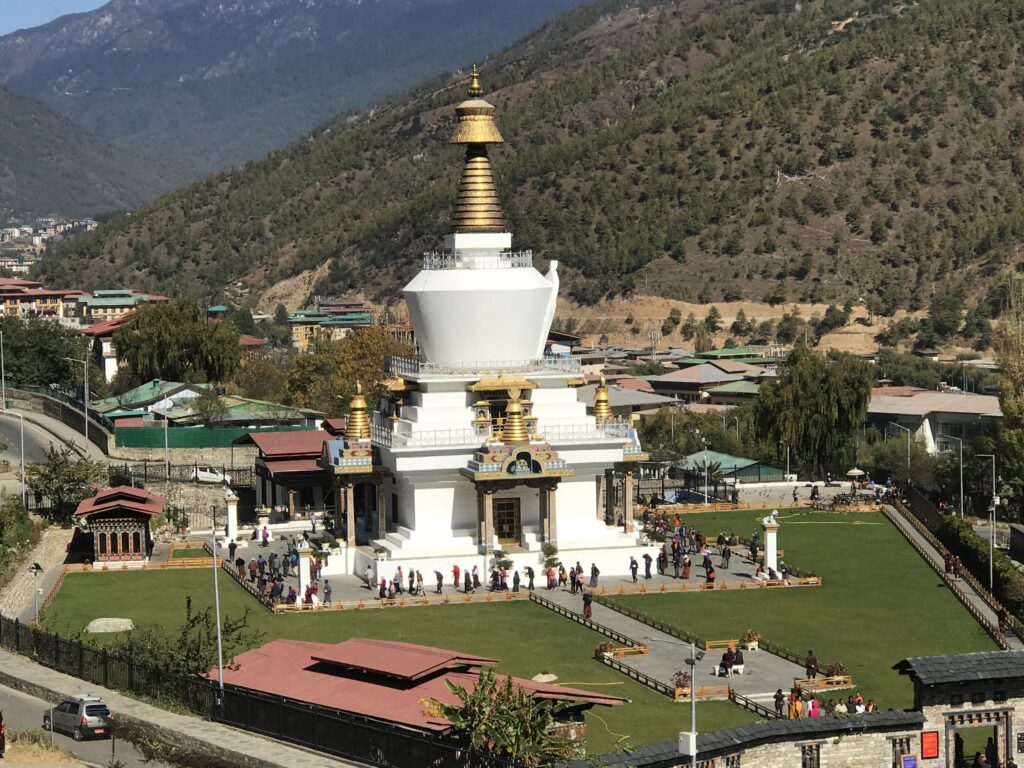
- National Memorial Chorten
- Folk Heritage Museums
- Institute for Zorig Chusum
- Handicrafts Emporium
- Tashichho Dzong
Thimphu, perhaps the most unusual capital city in the world, is the seat of government. This bustling town is home to Bhutan’s royal family, the civil service, and foreign missions with representation in Bhutan. It is also the headquarters for a number of internationally funded development projects.
Today’s full day of sightseeing in Thimphu valley includes visits to:
*National Memorial Chorten. The building of this landmark was originally envisaged by Bhutan’s third king, His Majesty Jigme Dorji Wangchuck, who had wanted to erect a monument to world peace and prosperity. Completed in 1974 after his untimely death, it is both a memorial to the Late King (“the father of modern Bhutan”), and a monument to peace.
* Folk Heritage Museums: These museums, both of which opened in 2001, provide fascinating insights into Bhutanese material culture and way of life.
* Institute for Zorig Chusum: Commonly known as the Painting School, the Institute offers a six-year course on the 13 traditional arts and crafts of Bhutan. On a visit one can see students learning the various skills taught at the school.
* Handicrafts Emporium: This government-run enterprise displays a wide range of beautifully hand-woven textiles and craft products. It also carries a small collection of books on Bhutan, Buddhism and Himalayan culture
* Tashichho Dzong: The “fortress of the glorious religion” was initially erected in 1641 and rebuilt by King Jigme Dorji Wangchuck in the 1960s. Tashichho Dzong houses some ministries, His Majesty’s secretariat, and the central monk body. It is open to visitors during the Thimphu Tsechu (held in autumn) and while the monk body is resident in its winter quarters at Punakha Dzong.
In the evening, take a stroll along the town’s main street
Day 03
Transfer to Paro (1hrs/65kms)
Attractions
01: Places and Temples
- Taktsang Monastery
- Drukgyel Dzong
- Traditional farmhouse
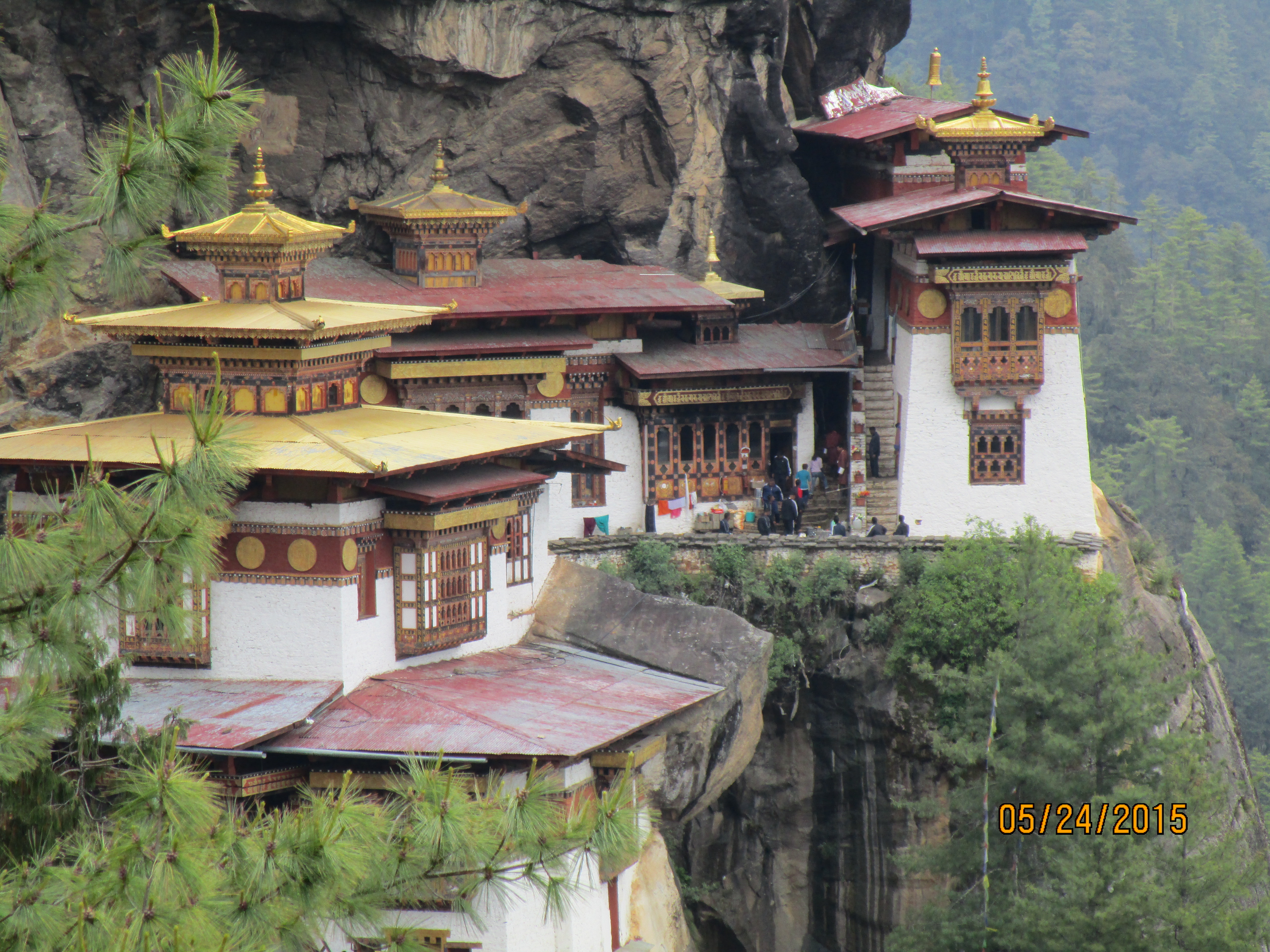
This morning, set off for Paro after an early breakfast for an excursion to Taktsang Monastery, also known as Tiger’s Nest. It is believed that Guru Rinpoche, founding father of the Bhutanese form of Mahayana Buddhism, arrived here on the back of a tigress and meditated at this monastery. The main structure was severely damaged by fire in 1998, but after many years of painstaking restoration work, the complex has now been fully restored to its former glory.
Drukgyel Dzong: This dzong, with a picturesque village nestling below its ramparts, was built by Shabdrung Ngawang Namgyal in 1646, to commemorate his victory over the Tibetan invaders. Though largely destroyed by fire in 1951, the towering outer walls and central keep remain an imposing sight. On a clear day, there is a splendid view of Mt. Jomolhari from the approach road to Drukgyel Dzong.
If time permits then In the evening, visit a Traditional farmhouse for an opportunity to interact with a local family and learn something of their lifestyle.
Day 04
Depart Paro
Early breakfast in the hotel, then drive to the airport for flight to onward destination.