
06 DAYS
M3 Itineraries
Day 01
Arrive Phuentsholing
Transfer to hotel
Attractions
01: Places and Temples
- Zangtho Pelri Lhakhang
Drive to the border town of Phuentsholing. As soon as you enter Bhutan/India check point in Phuentsholing, you will be met by our M3 representative after the completion of arrival formalities.
Upon arrival, the distinctive flavour of the country hits you. The Bhutanese prefer to call their country ‘Druk – l’ which means “The Land of the Dragon”. Bhutan often revered as the ‘Land of the Peaceful Dragon’ is still regarded as one of the last ‘Shangrilas’ in the Himalayan region because of its remoteness, it’s spectacular mountain terrain, varied flora and fauna and its unique ancient Buddhist monasteries. It is in the relatively unexplored pockets of Asia which allows only limited number of discerning travellers to enter the country in order to protect its fragile environment and culture. Bhutan is renowned for its undiluted culture and unspoiled natural wonders. Bhutan’s past is still its present
Check-in the Hotel. The gateway to the south, Phuentsholing is a thriving commercial centre on the northern edge of the Indian plains. Situated directly at the base of the Himalayan foothills, it is a fascinating mixture of Indian and Bhutanese, a perfect example of mingling of people and their Culture. If time permits, visit Zangtho Pelri Lhakhang, this small temple built in the centre of Phuentsholing town represents the heaven of Guru Rimpoche. Later take a stroll around town’s market area.
(Overnight at Phuentsholing)
Day 02
Transfer to Thimphu Valley Exploration
7-8 hours/176kms
Attractions
01: Places and Temples
- Kharbandi Gompa
Thimphu, perhaps the most unusual capital city in the world, is the seat of government. This bustling town is home to Bhutan’s royal family, the civil service, and foreign missions with representation in Bhutan. It is also the headquarters for a number of internationally funded development projects
After an early breakfast, transfer to Thimphu. A scenic drive takes you to the charming valley of Thimphu. Entire drive is very pleasant with numerous scenic spots en route. Sights on the way include a visit to Kharbandi Gompa, 4 km ahead of Phuentsholing. This is a beautiful monastery situated in garden of tropical plants and flowers. The monastery contains paintings depicting scenes from the life of Buddha and statues of Shabdrung Ngawang Namgyal and Guru Rimpoche. From the monastery garden there is a splendid view of Phuentsholing and plains of West Bangal and their tea gardens beyond.
Upon arrival, check-in the Hotel. Balance of the day at leisure (Overnight in Thimphu)
Day 03
Thimphu Valley Exploration
7-8 hours/176kms
Attractions
01: Places and Temples
- Cheri Gompa Hike
- National Memorial Chorten
- Folk Heritage Museums
- Institute for Zorig Chusum
- Handicrafts Emporium
- Weekend Market
- Tashichho Dzong
Thimphu, perhaps the most unusual capital city in the world, is the seat of government. This bustling town is home to Bhutan’s royal family, the civil service, and foreign missions with representation in Bhutan. It is also the headquarters for a number of internationally funded development projects.
CHERI GOMPA HIKE: (Total Hike Time 1 .5hr) Drive north of Thimphu valley for about 30 minutes to the base of the monastery. This monastery was built by Zhabdrung Ngawang Namgyal in 1620. A silver chorten inside the monastery holds the ashes of the Shabdrung’s father. This trek trail starts by crossing a lovely bridge that spans the Thimphu river, then climbs steeply to the monastery. The hike up takes about an hour and 30 min down to the base. Return to Thimphu
After noon Sightseeing in Thimphu valley includes visits to:
*Visit to National Memorial Chorten. The building of this landmark was originally envisaged by Bhutan’s third king, His Majesty Jigme Dorji Wangchuck, who had wanted to erect a monument to world peace and prosperity. Completed in 1974 after his untimely death, it is both a memorial to the Late King (“the father of modern Bhutan”), and a monument to peace.
* Folk Heritage Museums: These museums, both of which opened in 2001, provide fascinating insights into Bhutanese material culture and way of life.
* Institute for Zorig Chusum: Commonly known as the Painting School, the Institute offers a six-year course on the 13 traditional arts and crafts of Bhutan. On a visit one can see students learning the various skills taught at the school.
* Handicrafts Emporium: This government-run enterprise displays a wide range of beautifully hand-woven textiles and craft products. It also carries a small collection of books on Bhutan, Buddhism and Himalayan culture.
*Weekend Market: Most of the Thimphu’s population and many valley dwellers converge on the bustling weekend market, held down by the river. A wide range of foodstuffs and local arts and crafts are sold at the market, which runs from Friday afternoon to Sunday. A visit to the market provides great photo opportunities, as well as the chance to mingle with local people and perhaps buy souvenirs.
* Tashichho Dzong: The “fortress of the glorious religion” was initially erected in 1641 and rebuilt by King Jigme Dorji Wangchuck in the 1960s. Tashichho Dzong houses some ministries, His Majesty’s secretariat, and the central monk body. It is open to visitors during the Thimphu Tsechu (held in autumn) and while the monk body is resident in its winter quarters at Punakha Dzong.
In the evening, take a stroll along the town’s main street (Overnight at Hotel in Thimphu)
Day 04
Transfer to Paro
4hrs/130kms
Attractions
01: Mountain Views
- Jhomolhari
- Jichu Drake
02: Places and Temples
- Chele-la pass
- Bondey village
- blue pine & rhododendron forest
- Kila Gompa
- Nunnery
- National Museum
- Rinpung Dzong
- Traditional farmhouse
CHELE LA PASS TO KILA GOMPA/NUNNERY DAY HIKE
This morning, set off for Paro after an early breakfast. On arrival, Drive to Chele-la pass. After driving 4 km. to Bondey village, we take a side road and begin the steep climb up the hillside to Chele-la (3,810m/12,573ft), reaching the pass after a 45 km drive upwards through blue pine & rhododendron forest (1.5 -2 hr drive). On a clear day there is a superb view of Mts. Chomolhari and Jichu Drake from this point. From here we walk down hill through the forests to the Nunnery. Kila Gompa is about 2 hrs walk from Chele-la, down a path through pine forest. The Nunnery is the serene home of Buddhist nuns who have dedicated their lives to spiritual fulfillment. In this gompa, nestled in a craggy patch of rock on the mountainside below Chele-la pass, they spend their days in religious studies, prayer and meditation. After the nunnery visit, walk down to the road-head to meet your vehicle (45 min walk). Return to Paro.
Visit the followings:
Visit the Ta Dzong, formerly a watchtower and now the National Museum. The museum collection includes ancient Bhutanese art and artifacts, weapons, coins, stamps and a small natural history collection.
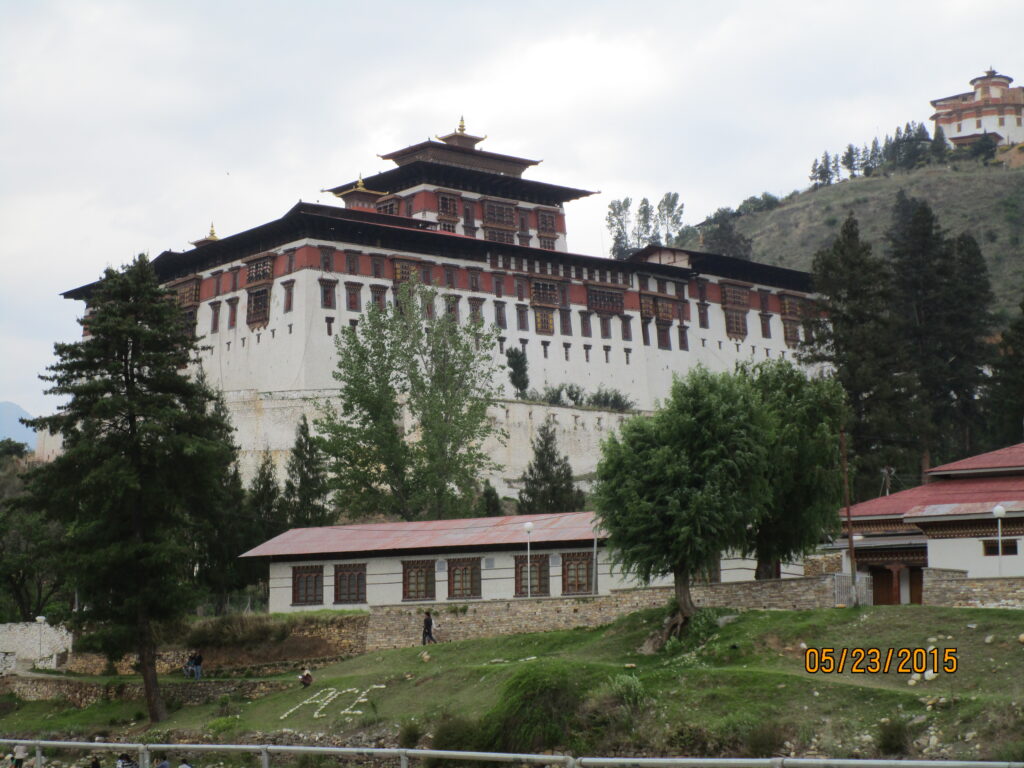
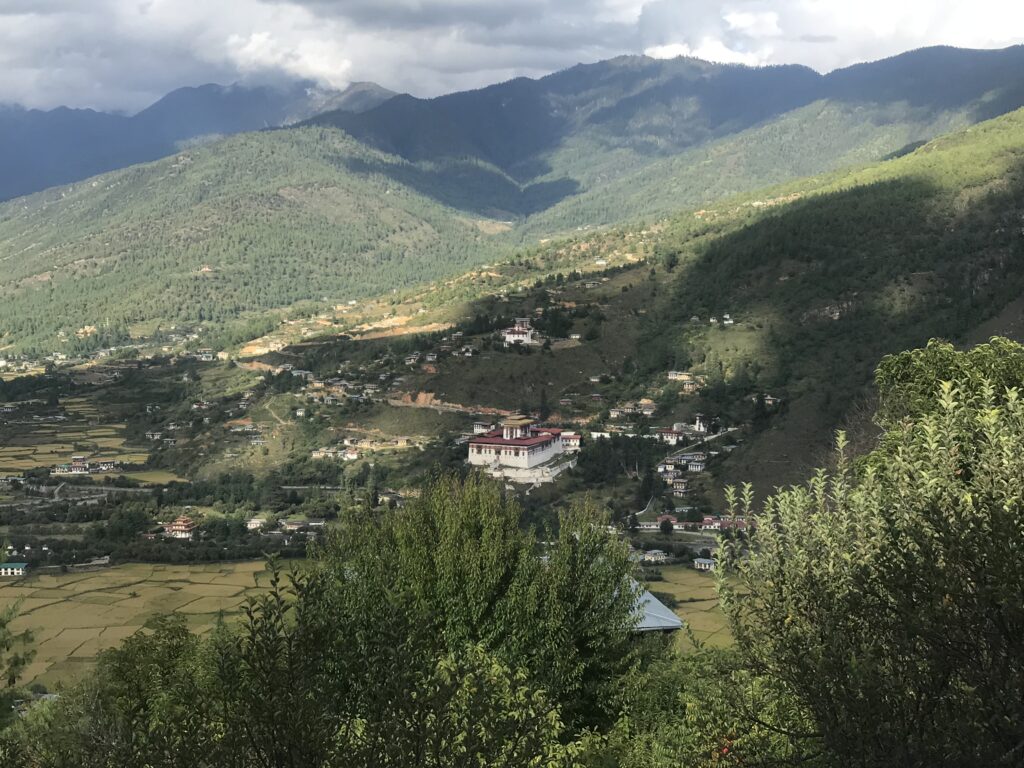
Then walk down a hillside trail to visit Rinpung Dzong (Paro Dzong) situated at a commanding height overlooking Paro valley. Built by Shabdrung Ngawang Namgyal in 1646, this Dzong now houses Paro’s monk body and the offices of the civil administration and is symbolic as the religious and secular center of all affairs of the valley.
In the evening,drive back to Paro & visit a Traditional farmhouse for an opportunity to interact with a local family and learn something of their lifestyle. Later, take a stroll along the main street for a few handicrafts shops. (Overnight at Hotel in Paro)
Day 05
Taktsang Hike
Attractions
01: Places and Temples
- Taktsang Monastery
- Drukgyel Dzong
- Kyichu Lhakhang
In the morning, take an excursion to Taktsang Monastery, also known as Tiger’s Nest. It is believed that Guru Rinpoche, founding father of the Bhutanese form of Mahayana Buddhism, arrived here on the back of a tigress and meditated at this monastery. The main structure was severely damaged by fire in 1998, but after many years of painstaking restoration work, the complex has now been fully restored to its former glory.
Drukgyel Dzong: This dzong, with a picturesque village nestling below its ramparts, was built by Shabdrung Ngawang Namgyal in 1646, to commemorate his victory over the Tibetan invaders. Though largely destroyed by fire in 1951, the towering outer walls and central keep remain an imposing sight. On a clear day, there is a splendid view of Mt. Jomolhari from the approach road to Drukgyel Dzong.
Visit the 7th century Kyichu Lhakhang, one of the 108 temples built in the Himalayas by the Tibetan king, Songtsen Gampo. The building of this temple marks the introduction of Buddhism in Bhutan
Balance of the day at leisure. (Overnight at Hotel in Paro)
Day 06
Depart Paro
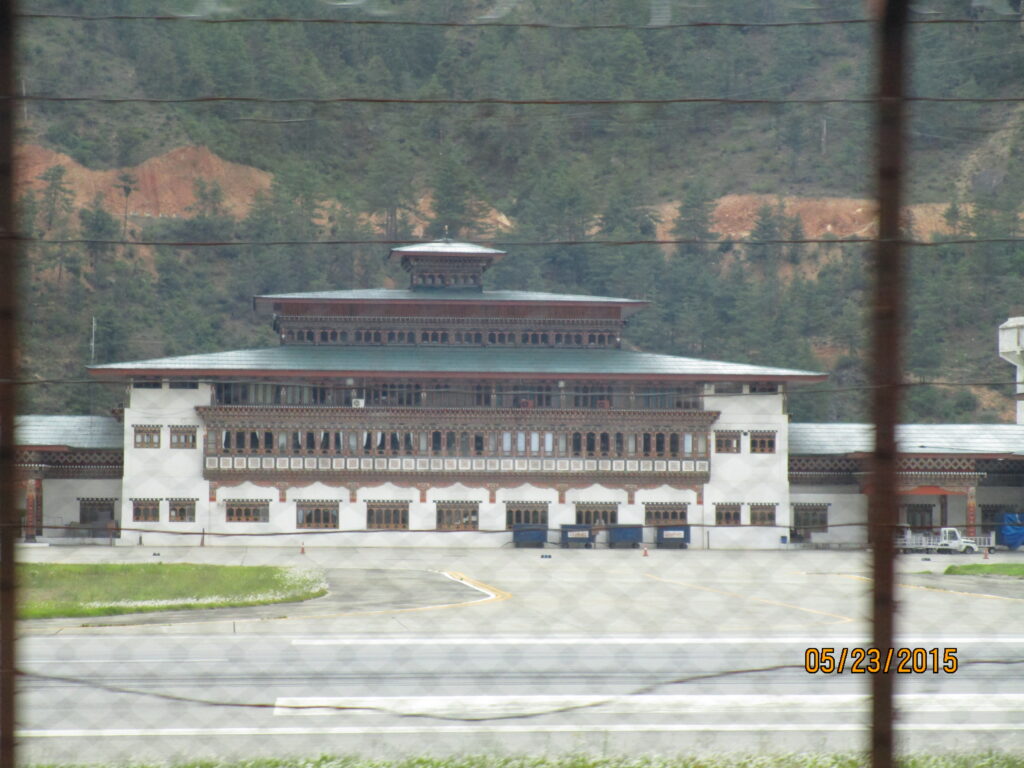
Early breakfast in the hotel, then drive to the airport for flight to onward destination.